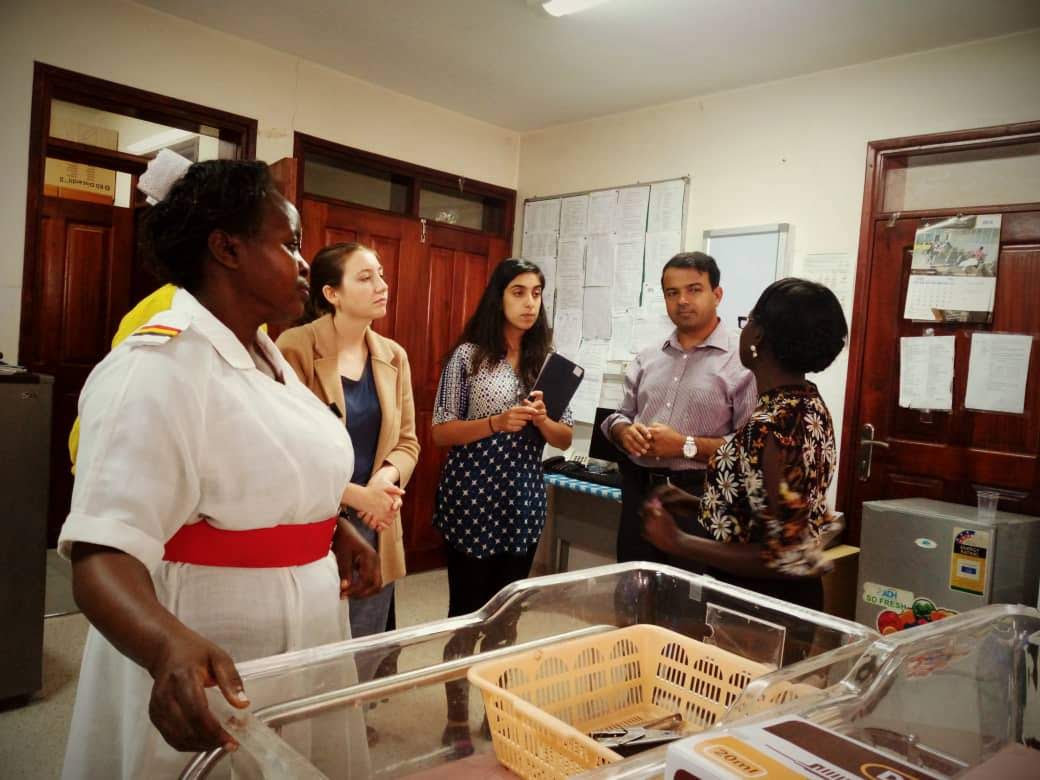
Our time with Dr. Acharya has sadly come to an end. After a week of accompanying us on field visits, participating in our prototyping sessions and facilitating key stakeholder meetings, Dr. Acharya boarded a plane back to the United States. He provided us with many useful insights and ideas that we incorporated into our work and are ready to put into practice in the field.
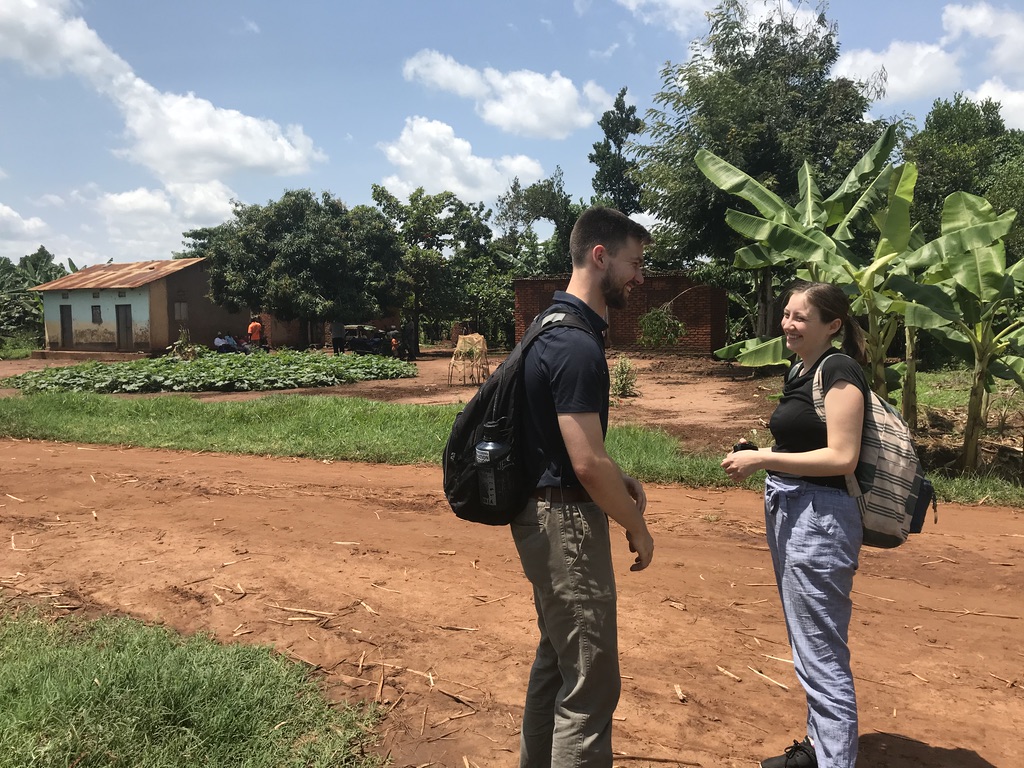
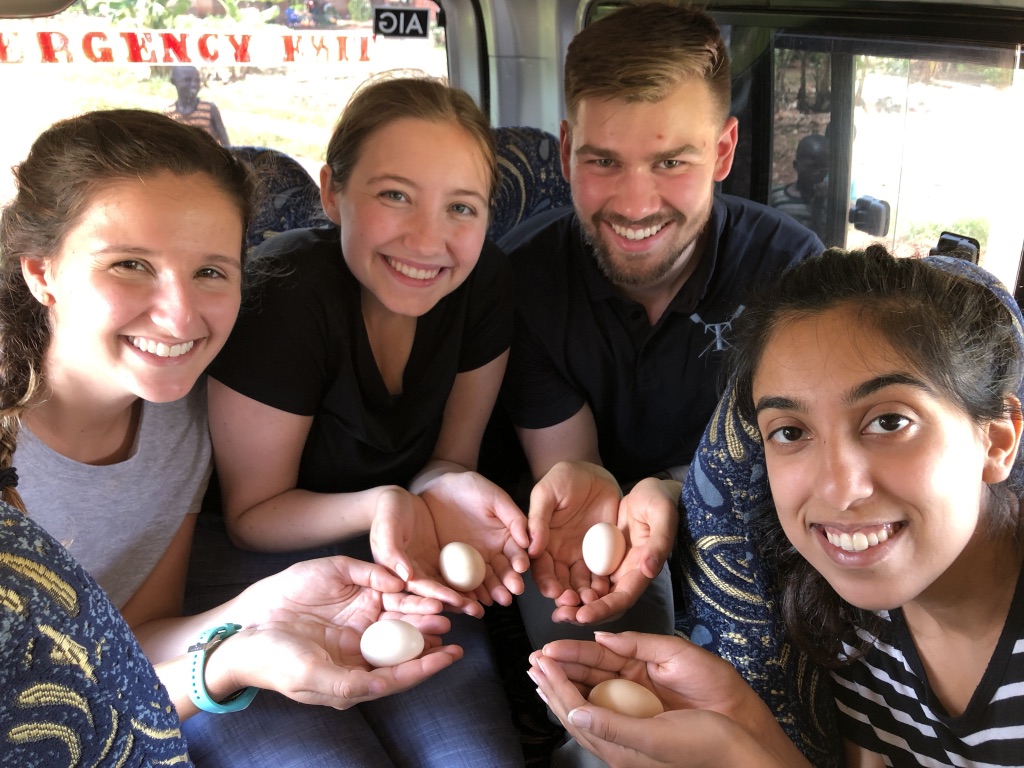
Over the past two days we have worked with Moses, our key contact in Iganga who is extremely well connected with individuals in several villages, and Justine, Paul and Lydia, our Lusoga translators, to set up user testing sessions and key informant interviews. Each morning we pile into our eleven person van and embark on a bumpy journey towards the next village on the agenda. Somehow Sneha always manages to secure a seat in the van with minimal chances of becoming airborne. We’ve driven through rural farms where community members grow sugar cane, corn, potatoes and G nuts (otherwise known as ground nuts or peanuts).
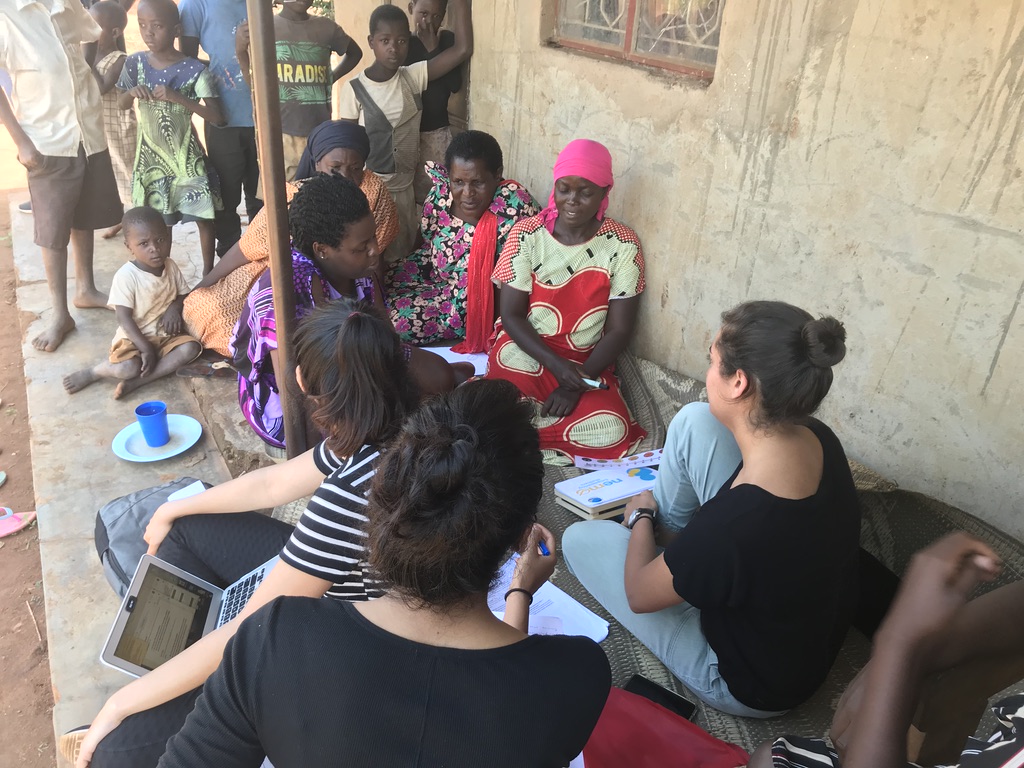
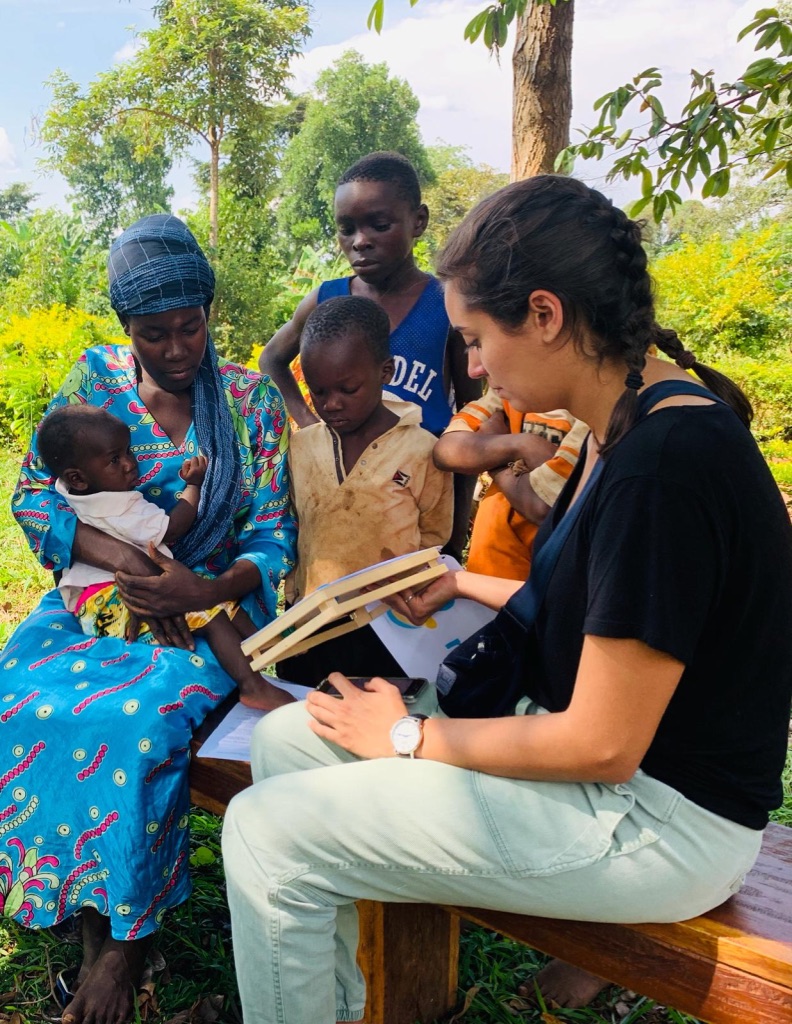
On Monday and Tuesday this week we tested our prototypes with a total of four mothers, spoke to a group of approximately eight dads in a focus group, and interviewed two midwifes, one from a level 4 private facility and one from a level 4 government facility. These interviews helped us outline the differences in available services when government funding doesn’t and does play a role in healthcare. They also helped us outline the key stakeholders involved in neonatal care in the first seven days of life.
In our interviews, we have been presenting two key components of our solution to identifying neonatal danger signs in the first week of life. Our solution is comprised of both a quantitative measurement system and a qualitative guide that involves user input to recognize danger signs. So far we have been presenting a variety of embodiments of these technologies to identify which combination stakeholders like the best in terms of ease of use and affordability. This has involved coming up with numerous accompanying business models that will support the purchasing or renting of such devices, either directly by the consumer or through Village Health Teams (VHTs).
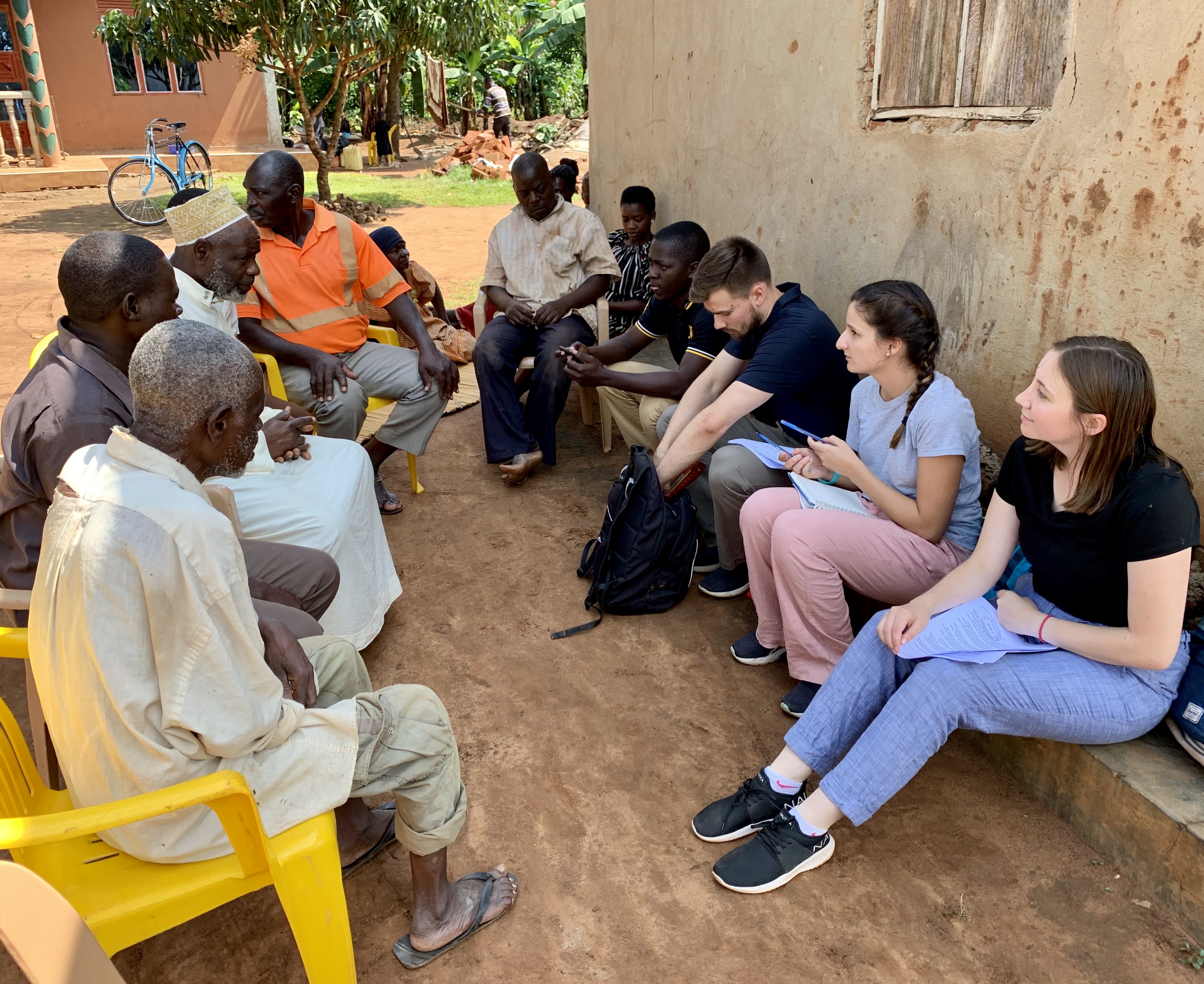
We learned that the fathers are pretty involved in children’s health. As the interview went on, the crowd of interested fathers grew drastically. They were all really interested in learning more about the devices we presented and how they can help in recognizing danger signs.
 Just Keep Swimming
Wow, Great work! Sounds like a “feel good” couple of days! Love the pictures!
LikeLike
Great work!!
LikeLike